
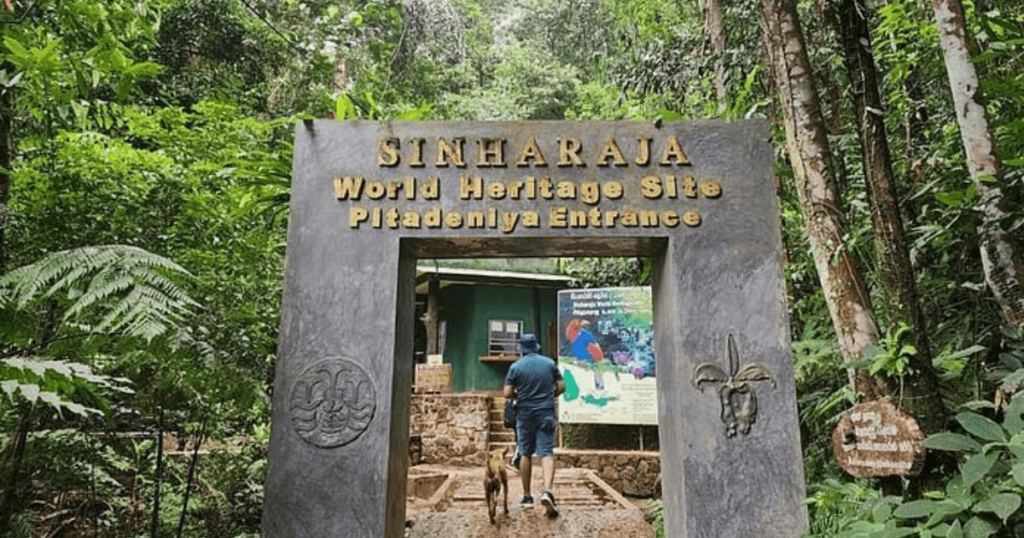
Travelling to sinharaja forest in sri lanka travel is a dream come true for nature lovers, wildlife lovers, and eco-tourists. Sinharaja Forest Reserve is Sri Lanka’s last tropical rainforest and one of the most important biodiversity hotspots in South Asia. It is a UNESCO World Heritage Site and a Biosphere Reserve. This untouched jungle is home to uncommon plants and animals that can’t be found anywhere else in the world. Responsible travellers should definitely go there.
A Guide to Travelling to Sinharaja Forest in Sri Lanka
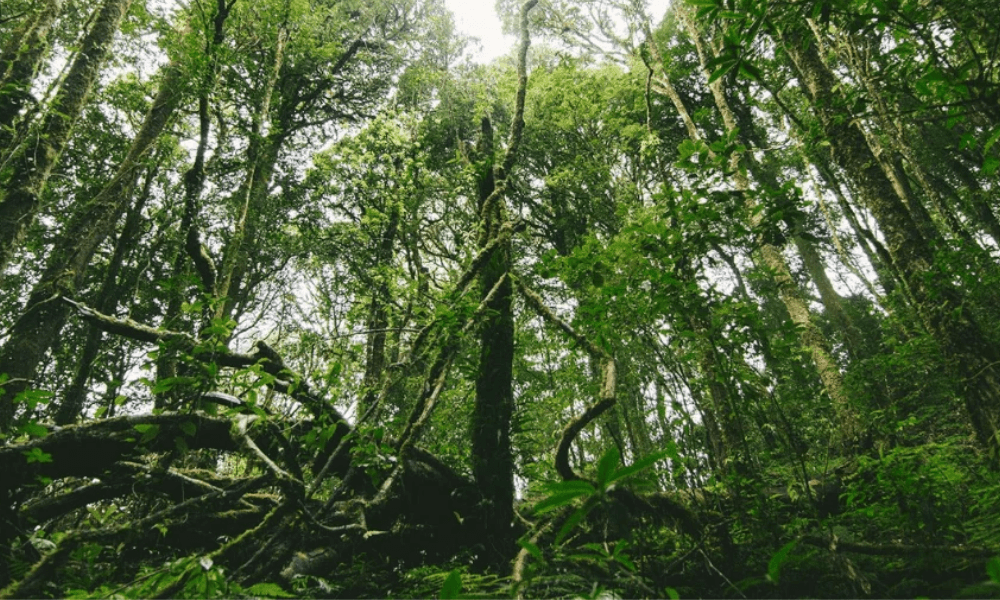
The Sinharaja Forest Reserve is in Sri Lanka’s Sabaragamuwa and Southern Provinces. It is about 21 km long from east to west and 7 km wide from north to south. There are a lot of tall tropical trees in the forest that make a thick natural canopy that keeps sunshine out and moisture in. This makes a humid, greenhouse-like environment that is great for a wide range of plants and animals.
Many Sri Lanka tour packages now include guided excursions to the Sinharaja Forest in Sri Lanka. This is a great way for travellers to see undisturbed nature and learn about conservation at the same time.
Why the Sinharaja Forest Reserve Is So Important
Sinharaja is Sri Lanka’s final tract of tropical rainforest that may still be used, which makes it very important for the environment. The forest preserves hundreds of species that are only found there. It is also very important for keeping the climate stable, saving water, and protecting biodiversity.
- More than 60% of trees are native to the area.
- About half of Sri Lanka’s native animals live here.
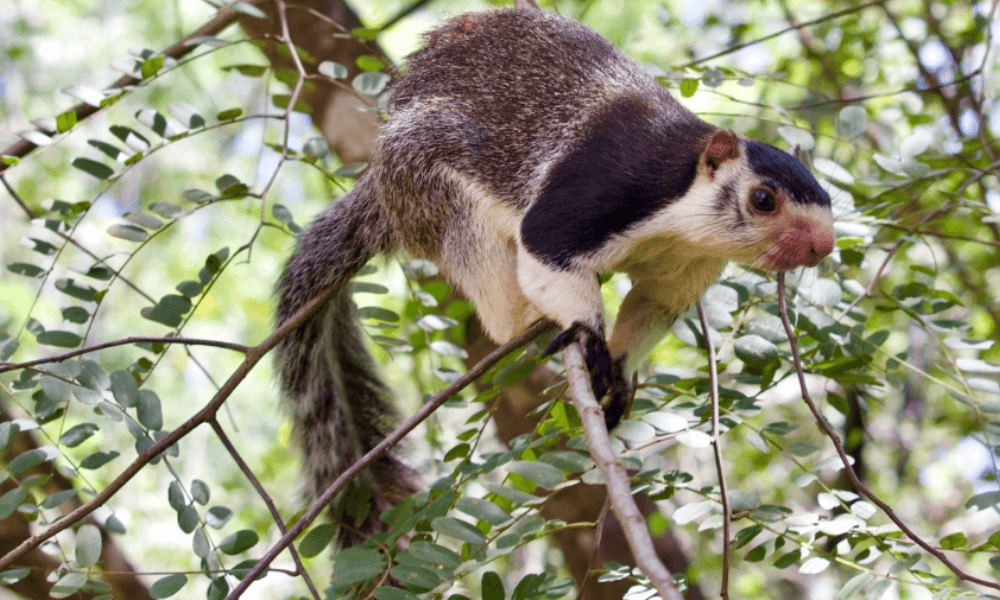
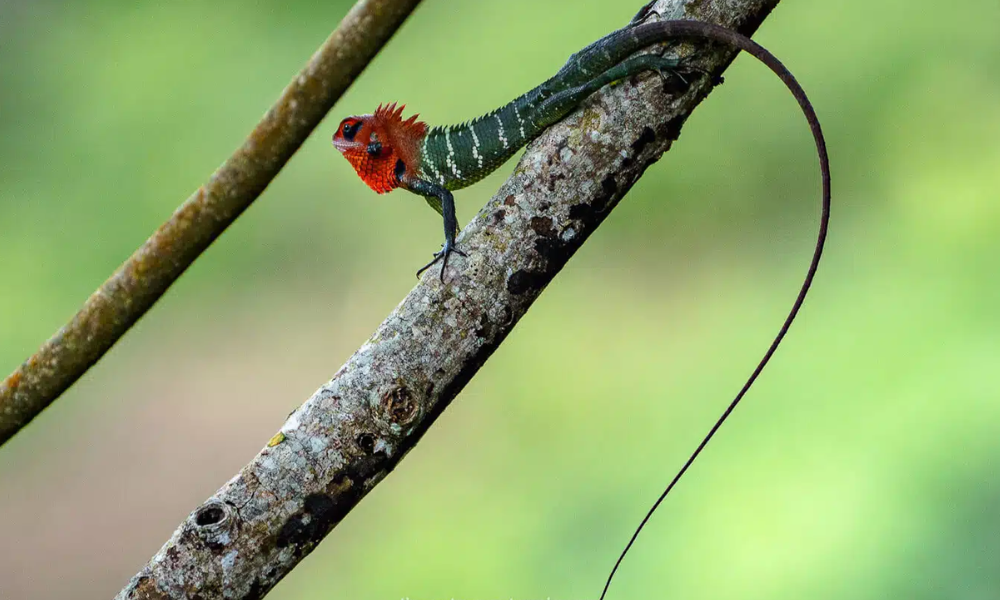
There are a lot of different kinds of animals in the forest, such as mammals, reptiles, amphibians, birds, and invertebrates.
Animals that live in the Sinharaja Forest Reserve:
- Leopard from Sri Lanka
- Asian elephant
- Langur with a purple face
- Toque macaque
- Amphibians and reptiles:
- Green pit viper
- Viper with a hump nose
- Amphibians that live only in one place and tree frogs
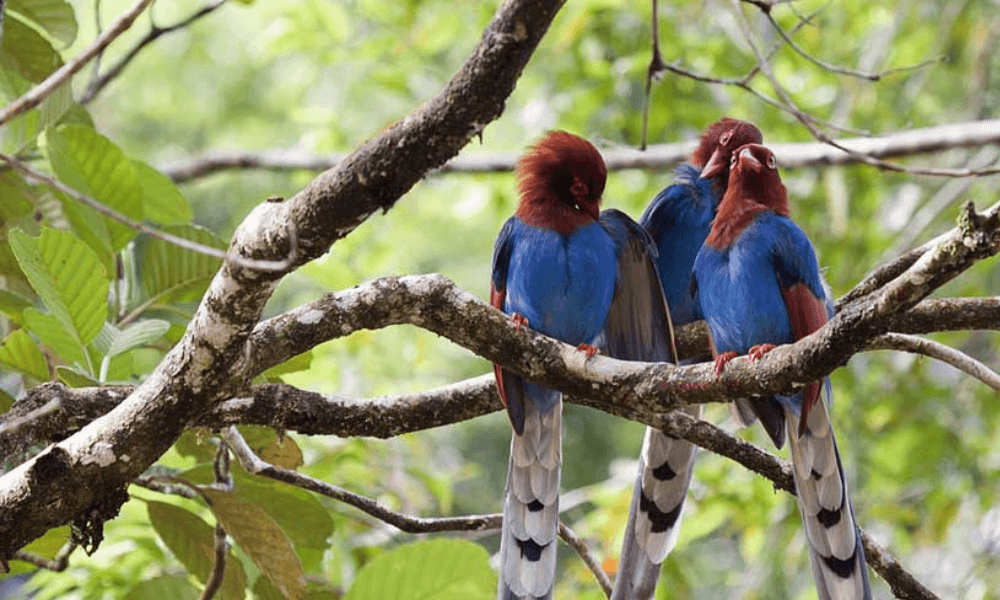
Birdwatching is a big draw of Sinharaja Forest Reserve, which has over 147 bird species, including 20 that are only seen there, such as:
- Blue Magpie from Sri Lanka
- Face red Malkoha
- Babbler with an Orange Bill
- Crested Drongo from Sri Lanka
- Starling with a White Head
- Leeches, butterflies, insects, and unusual arthropods are very important to the ecology.
Waterfalls, streams, and the natural environment
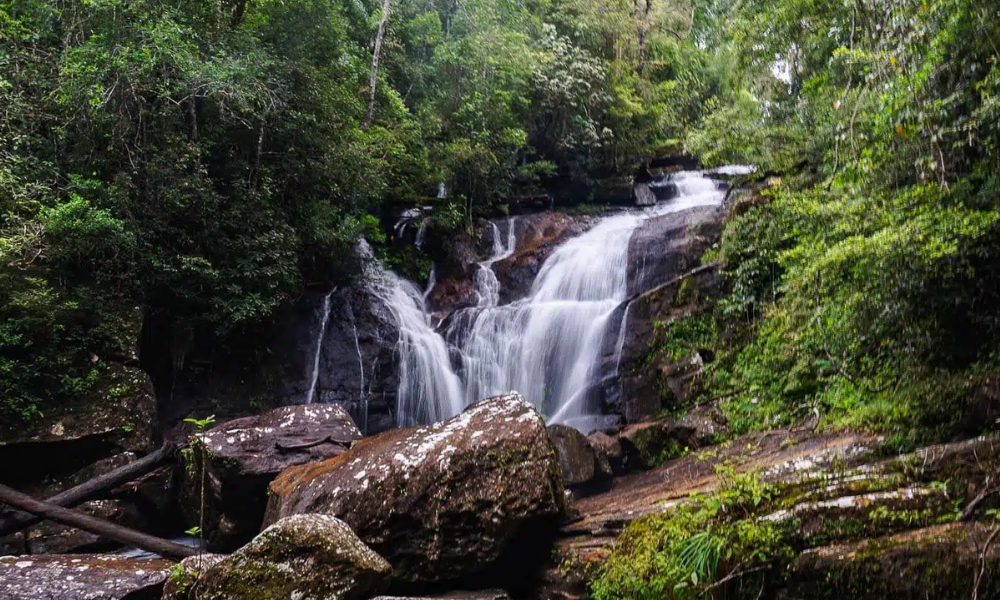
There are many streams, rivers, and secret waterfalls in the Sinharaja Forest Reserve that keep the forest’s plants healthy. The water that keeps coming keeps the ecology going, which is good for both plants and animals.
Visitors can really feel like they’re in nature when they hear streams flowing, leaves dripping, and animals in the forest.
How to Get to the Sinharaja Forest Reserve
There are a number of communities near the edges of the forest. For hundreds of years, these groups of people, including tribal groups, have lived in peace with nature. Their eco-friendly way of life is very important for keeping the forest safe and the balance of nature.
- The Sinharaja Forest Reserve is around 82 km from Galle and Koggala Airport.
- Ways to travel: You can take a taxi or your own car from Galle or Koggala.
- Time to travel: about three hours
- Roads are open, but some parts are narrow.
- The easiest way to go to Sinharaja Forest in Sri Lanka, especially for groups, is to rent a car.
The Best Time to Go to Sinharaja Forest Reserve
The best time to arrange a trip to Sinharaja Forest in Sri Lanka is when the weather is dry and not too changeable:
- From January till May
- From August to December
Don’t go during the peak monsoon months, when heavy rain makes insects more active and makes hiking harder. The finest months provide nice weather, clearer routes, and good conditions for trekking.
Important Information for Visitors
- Where: Sabaragamuwa and Southern Provinces, Sri Lanka
Hours of Operation: 6:30 am to 6:00 pm (the ticket office shuts at 4:30 pm) - Fees to get in (about):
- For adults: LKR 644
- Kids: LKR 325
- Required guide: LKR 1,000
- Cost of a video camera: LKR 560
- Get there early to make the most of your time in the woods.
What You Can See and Do in the Forest
- Walk under tall trees that make a thick natural roof
- Walk on forest floors covered with moss that seem like soft green carpets.
- Find unique native birds and animals with bright colours.
- Listen to streams that flow and waterfalls that fall.
- Find strange bugs that only live in Sinharaja.
- Get to know therapeutic plants and uncommon flowers from expert guides.
- Take pictures of beautiful, undisturbed rainforest moments that will last a lifetime.
- Nature Walks in the Sinharaja Forest Reserve
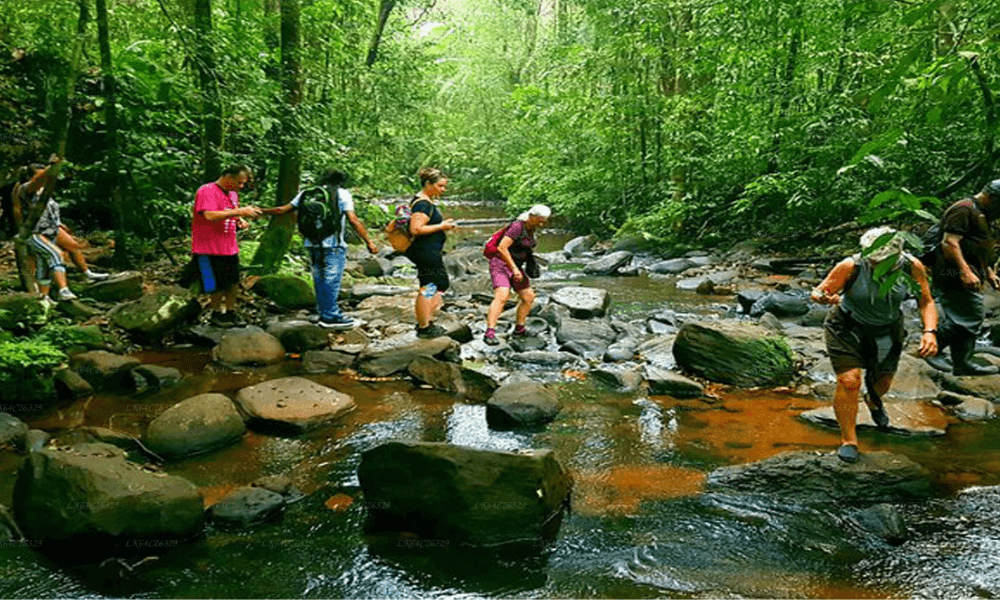
- One of the greatest ways to see Sinharaja in a safe and responsible way is to go on a guided nature walk.
- Nature Walks That People Like
- Trail for Bird Watching
- There are two parts: one is 2 km long and the other is 1.5 km long.
- Good for people of all ages
- Great for finding monkeys and birds
- Trails at Night
- Evening hikes with a guide
- Chance to witness creatures, bugs, and amphibians that are active at night
- A one-of-a-kind experience in the rainforest
- Watching Birds in Sinharaja Forest Reserve
- One of the best things to do in Sinharaja Forest in Sri Lanka is to watch birds. The forest is between 300 and 1,000 meters high, which makes it a good place for many types of birds to live.
Restaurants Close to Sinharaja Forest Reserve
There aren’t many places to dine in the forest itself, but there are a few decent restaurants and eco-lodges nearby:
- Bungalow in the Sinharaja Circuit
- Sinharaja Adventure Resort
- The Restaurant at Forest Edge
- Eco Villa Restaurant in Sinharaja
- Eco Villas in the Tea Garden
How to Make the Most of Your Visit to Sinharaja Forest Reserve
- Go between January and March or August and September.
- Always have rain gear with you.
- Use bug spray and leech protection.
- Wear clothes that are brown, green, or grey.
- Bring a scarf and sunblock.
- Bring additional batteries and memory cards for your camera.
- Always stay with your guide.
Final Thoughts
Travelling to Sinharaja Forest in Sri Lanka is a rare chance to see nature in its most pristine form. Sinharaja is a real asset of Sri Lanka since it has a lot of different plants and animals, pathways that are beautiful, and profound cultural ties. This rainforest promises an unforgettable and significant trip for anyone who loves nature, watches birds, or goes on eco-tours.