
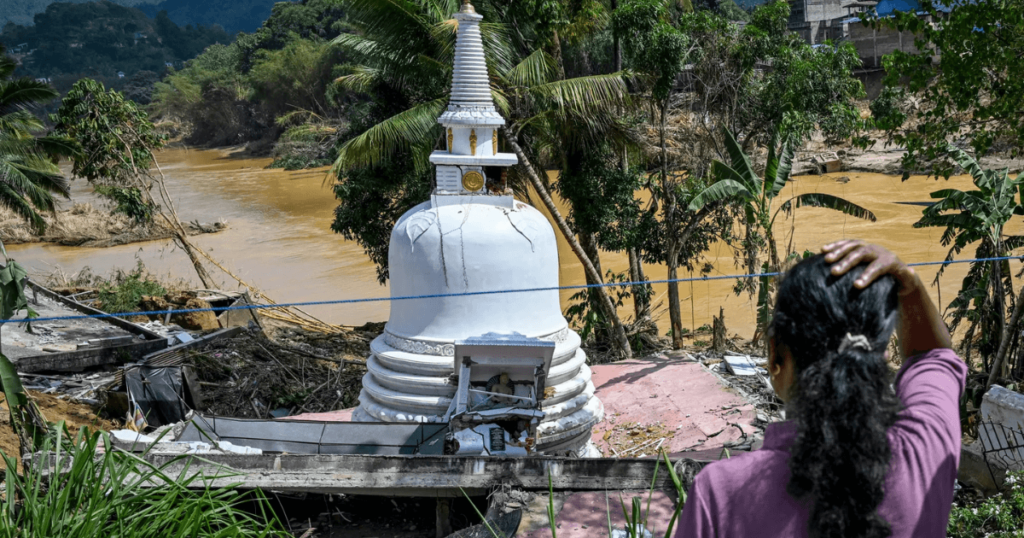
The most important month for Sri Lanka’s tourism industry is December. Most people travel during the holidays, especially in Europe and other long-haul areas. Travellers spend more money and planes are fully booked because of this. Sri Lanka needs this seasonal influx to keep its economy stable and build up its foreign exchange savings.Unfortunately, Cyclone Ditwah hit Sri Lanka at the worst time. It made it hard for tourists to visit, damaged important facilities, and threatened the country’s economic recovery, which was just getting started. The storm did more than just make travel difficult for a short time. It hurt exports, farming, transportation, and investor trust, all of which depend on…This Article mainly focus How Cyclone Ditwah Affected Sri Lanka Tourism.
Tourism is a Very Important for the Economy
When Sri Lanka’s economy crashed in 2022, the tourism business slowly got better. Vacationers spent $2.659 billion in 2023. In 2024, it brought in $3.17 billion. In the first ten months of 2025, it made $2.659 billion. Even more foreign cash was expected to come in in December, which is the busiest month for travel.
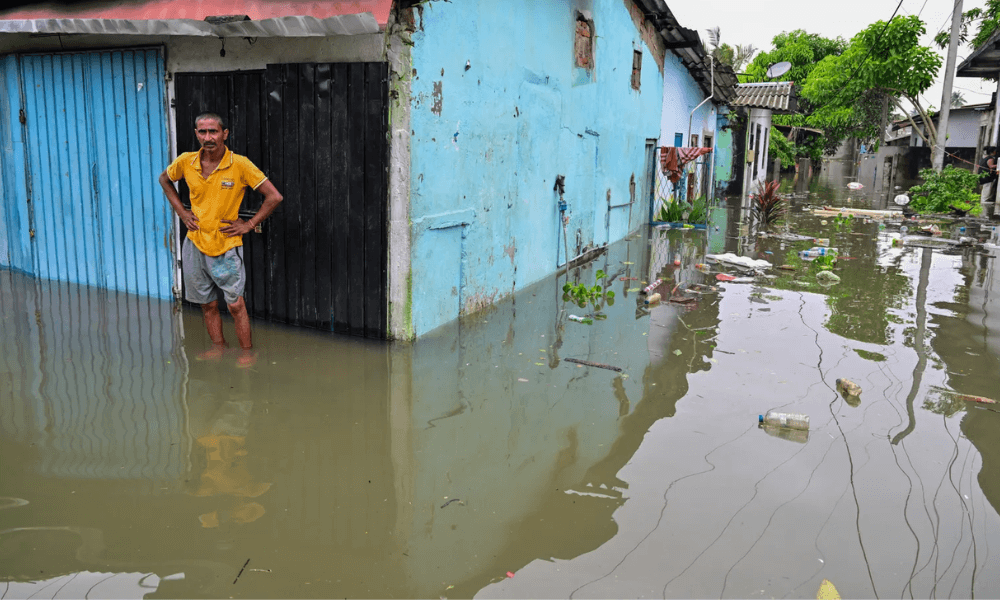
The work was stopped by Cyclone Ditwah. It was harder for tourists to come because of flooding, floods, and transportation issues. More people had to cancel their plans, and many others had to change them. Things are very risky for the economy of a country that is still building up its foreign reserves and external industry because of when the tragedy happened.
Impacts on Key Tourist Spots
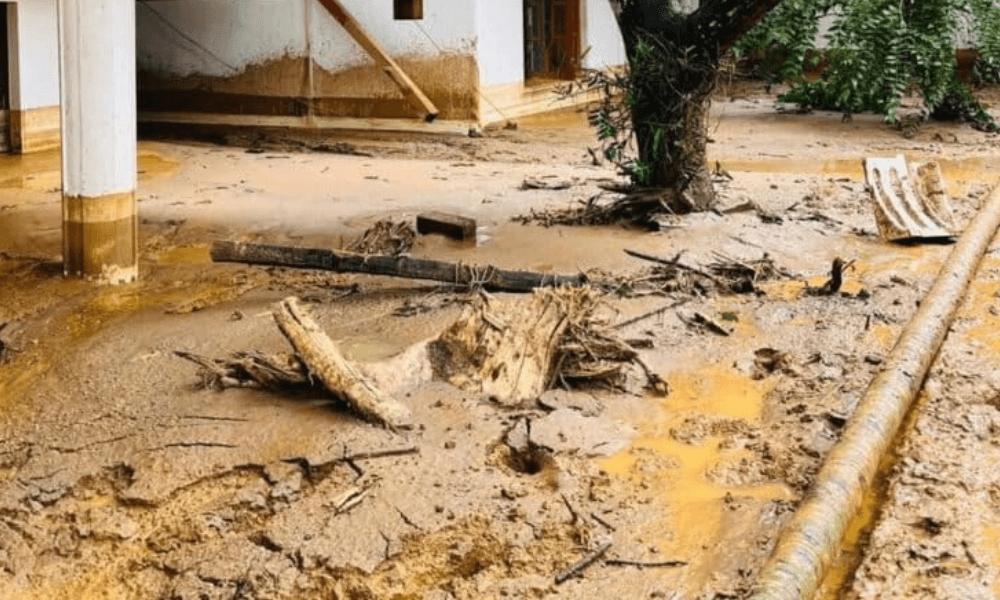
The worst hit areas were the central mountains, which are home to popular tourist spots like Kandy, Nuwara Eliya, Ella, and Badulla. Toxic landslides destroyed roads, railroads, stately houses, and other tourist-related buildings.
It was very bad for the estate business, which is connected to tea tourists. Since people couldn’t get to farms, factories, and scenic routes, both tourism and tea production stopped. As of October 2025, tea exports brought in $1.29 billion, up from $1.43 billion in 2024. Losses in production will hurt the country’s export earnings and tourism trust in a roundabout way.

Having trouble with entry and transportation
For tourists, having reliable transportation is very important. The roads and trains in Sri Lanka had a lot of trouble because of Cyclone Ditwah:
- The roads that connect the hill country to Colombo were stopped by landslides.
- There were old, broken, and flooded train lines as well as new ones.
- Tea, vegetables, and farm workers who were being moved stopped.
In the damaged areas, the train system, which is important for both tourists and moving farm goods, was pretty much shut down. Because of this, food prices went up in towns, supply chains got messed up, and travellers and tour companies didn’t know what to do.
Farmers' losses and how they affect tourists
There was a lot of damage to Sri Lanka’s farming areas during the storm, especially in the east and upcountry. Damage was done to veggie farms, chicken farms lost a lot of money, and dairy supply lines were broken.
It was harder to grow food because of damage to rice fields in the Vanni and Eastern Province and flooding of irrigation systems like the Mavilaru and Kaddukkarai tank networks. The government has had to think about getting more food from other countries, like rice, vegetables, chicken, and milk. This uses up more foreign funds.
It costs hotels, restaurants, and motels more to run their businesses because food prices are going up and supplies are getting tight. This makes it harder for them to compete and keep customers happy.
Effects on Airports and Flights
Sri Lanka’s main international airport, Bandaranaike International Airport (BIA), stayed open during Cyclone Ditwah but had a lot of issues. Multiple flights were rerouted, delayed, or cancelled, and many incoming planes were rerouted very quickly.
It was hardest to get to the airport. People and workers had a hard time getting to the airport because of flooding on the Colombo–Katunayake Motorway and other nearby roads. Since then, the water level has gone down, and major roads are back open. However, there were still problems in some places for a few days.
It was even harder for tourists to get around because regional airports in the north, east, and middle of the country had to close for a short time and internal flights had to be cancelled.
Advice for travellers
Governments in other countries told visitors to be careful because of flooding and landslides. The Foreign, Commonwealth, and Development Office of the UK said that travel across the country was being slowed down. They advised tourists to avoid trouble spots and check airline reports.
People would still choose not to travel even if there wasn’t a blanket ban. There were a lot of tourists who put off or changed their holiday plans because they weren’t sure about their insurance, the reliability of their transportation, or changes to their plans. This was especially true for people who were going to the hill country.
The effects of people and society on tourism communities
People who lived on estates and in rural places that were destroyed felt the social effects the most. A lot of people lost their homes, their daily pay, and their ability to get things like light, water, electricity, phone service, and schooling.
Breaking of schools, clinics, bridges, and communication networks made it harder to get help and hurt people whose jobs relied on tourists. While the government declared a national emergency, they were only able to do so much because they didn’t have enough money and infrastructure was damaged. There were flaws in the system that had been there for a long time.
Risks to Sri Lanka's tourism in the long term
Last few years have been rough for Sri Lanka. There was the earthquake in 2004 and the attacks on Easter Sunday. More recently, there was COVID-19 and the economic disaster in 2022. It’s already hard for the country to get its economy back on track, and Cyclone Ditwah makes things even worse.
Regular natural disasters in Sri Lanka might hurt the country’s image as a tourist spot, make insurance and operating costs go up, and make people less likely to invest in the sector if the country doesn’t plan for long-term resilience.
Current Situation and Travel Outlook
The accident was very bad, but work to recover is still going on. It’s now possible to get back on many roads, visit tourist spots that weren’t damaged, and stay in hotels and other places, especially along the southern coast.
There are still places where trains don’t go very often, but tourists can still get around safely if they plan ahead. The government is still watching over things and fixing the ones that are broken.
Planning your trip to Sri Lanka with Scenic Lanka
It is important for Scenic Lanka to keep an eye on the local situation so that tourists are safe and happy. When the weather is nice, tour packages include up-to-date routes, reliable transportation, and flexible itineraries that can include beaches, animals, cultural sites, and hill country sights.
If travellers plan ahead and ask for help from locals, they can still enjoy Sri Lanka safely, whether they’re there for a holiday, honeymoon, group tour, or adventure trip.
Last Travel Tips
Sri Lanka’s tourism business was hit hard by Cyclone Ditwah, especially during the busy season. Luckily, things are getting better. Islands are safe and friendly for the most part. Hotels and roads are open.
People can keep exploring Sri Lanka safely as long as they know what they’re doing, are open, and choose to travel in an ethical way. People will be able to enjoy the island’s natural beauty and cultural diversity while also helping the people who live there.