
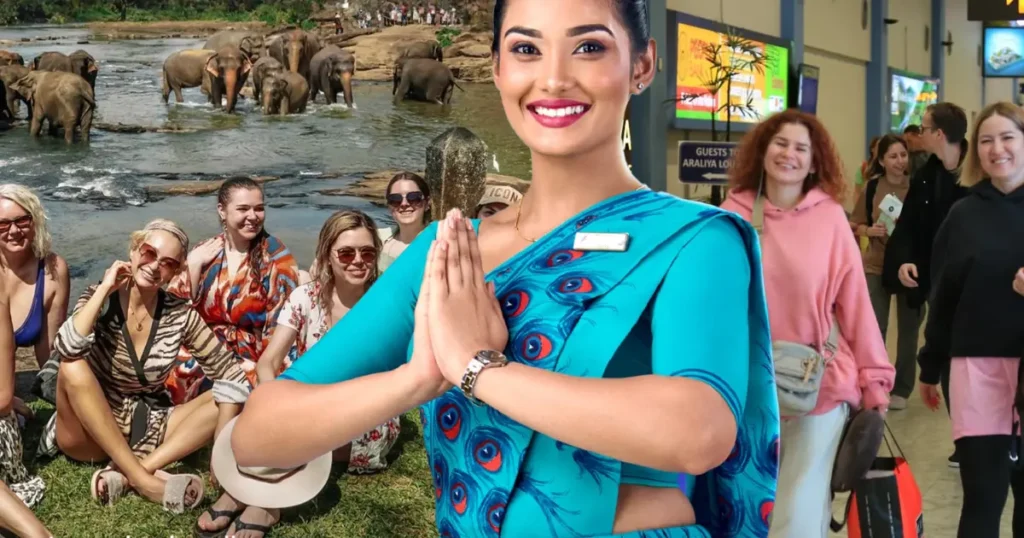
One of the most immediate ways that the Impact of Tourism Industry on the Economic Growth of Sri Lanka is by bringing in foreign money. Tourism has always been one of the country’s primary sources of foreign income. In 2018, tourism brought in almost USD 4 billion to Sri Lanka, and more than 2.3 million people from other countries came to visit.
These profits help:
- Make foreign reserves stronger
- Make the balance of payments stable
- Help bring in necessary products
- Lower the stress on foreign debt
Even though the COVID-19 epidemic and the 2022 economic crisis caused a lot of problems, the slow comeback of tourism in 2023 and beyond shows how important tourism is for the economy’s resiliency.
How the tourism industry has affected Sri Lanka's economic growth
The tourism industry has a big effect on Sri Lanka’s economic growth, and one way it does this is by creating jobs. There are about 3 million employment that are directly or indirectly supported by tourism. These jobs include hotel workers, tour guides, transit operators, artists, farmers, and small-scale vendors.
The direct effect of travel and tourism on jobs related to GDP went from 2.5% in 2000 to about 5.9% by 2019, with an average yearly growth rate of more than 5%. This shows that tourism can hire people with many kinds of skills, which is especially good for young people and people who live in rural areas.
How the tourism industry affects Sri Lanka's economic growth through MSMEs
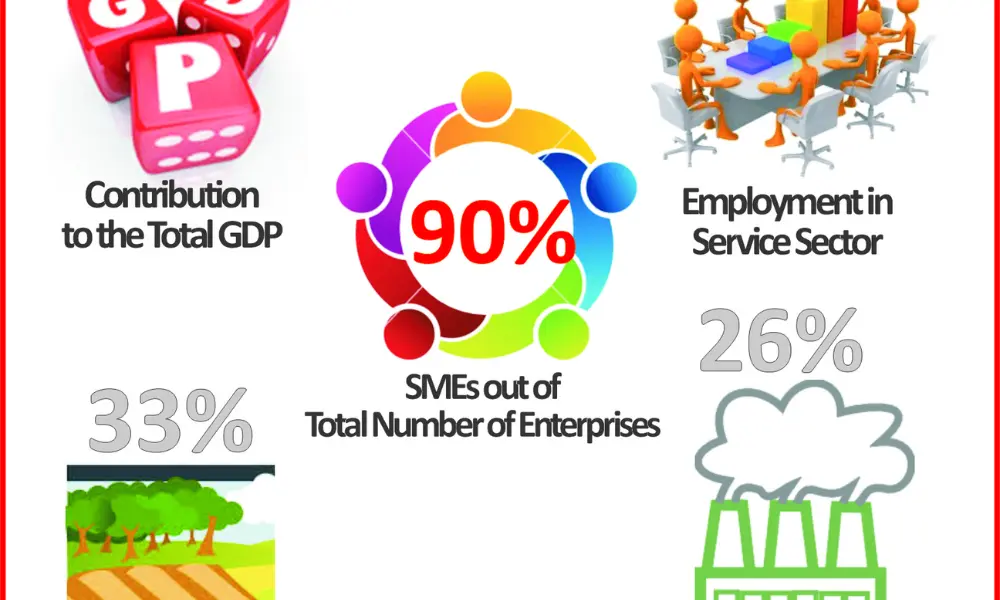
The importance of Micro, Small, and Medium Enterprises (MSMEs) is a big but often ignored part of how tourism affects Sri Lanka’s economic growth. Small and medium-sized businesses (MSMEs) are the backbone of businesses that are tied to tourism, such as
- Hotels and guesthouses
- Cafés and restaurants
- Services for transportation
- Shops that sell handicrafts and souvenirs
- Wellness, Ayurveda, and cultural experience companies
Tourism-based MSMEs boost local economies, spread wealth more evenly, and close the gaps across regions’ economies. Training, finance, and sustainability programs for MSMEs help communities at the grassroots level benefit from the expansion of tourism.
The effect of tourism on Sri Lanka's economy and Infrastructure growth
The tourism industry has also had a big effect on Sri Lanka’s economic growth by improving its infrastructure. Tourism has prompted investments in:
- Airports and roads
- Public transportation and railways
- Telecommunications
- Making cities more beautiful
- Systems for managing water and waste
Better infrastructure not only makes tourists’ trips better, but it also makes life better for people who live there and helps other areas like trade, education, and health care.
The tourism industry has an effect on Sri Lanka's economic growth and cultural preservation.
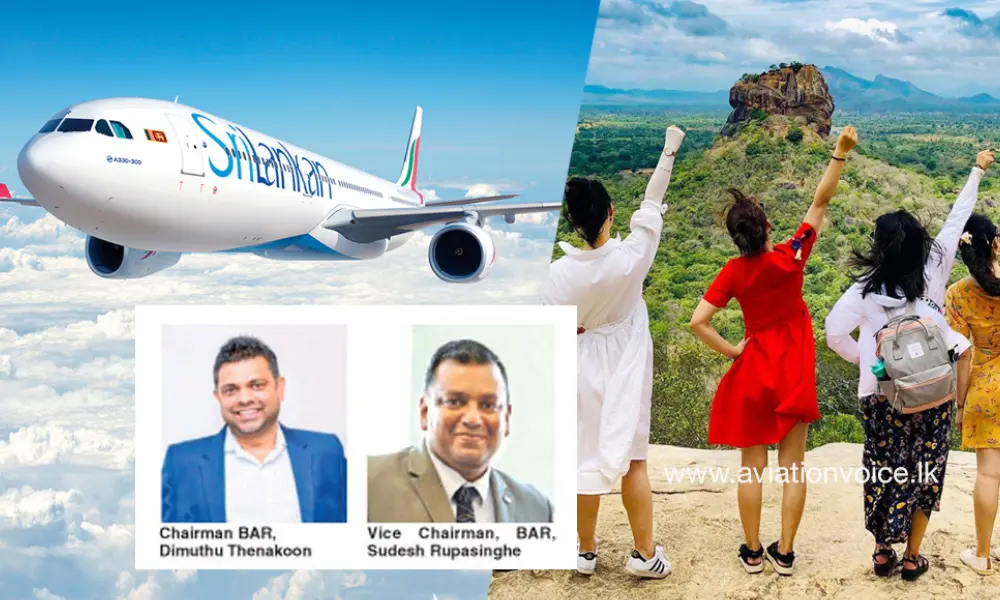
The tourism industry has an effect on Sri Lanka’s economic growth that goes beyond money to include preserving culture. Tourism has been very important in protecting:
- UNESCO World Heritage Sites
- Old temples and monuments
- Crafts, music, and dance from the past
- Indigenous knowledge and living culture
- Tourism brings in money that helps protect the environment and promotes communities to keep their cultural identity while sharing real experiences with people from around the world.
Tourism industry affects Sri Lanka's economic growth through nature-based and biodiversity tourism
Sri Lanka is known around the world for its biodiversity, which makes the tourism industry have a far bigger effect on the country’s economic progress. Nature-based tourism, such eco-tourism, whale watching, birdwatching, and wildlife safaris, brings in a lot of money for the country.
Yala, Udawalawe, Sinharaja, and Minneriya are all protected regions that make money and encourage people to protect ecosystems. Sustainable tourism makes sure that the economy doesn’t get worse because of environmental damage.
Tourism on Sri Lanka's economy and the problems it faces in terms of sustainability
The tourism industry has mostly good effects on Sri Lanka’s economic growth, but it also poses problems for sustainability. These are:
- Degradation of the environment
- Using too many natural resources
- Problems with waste management
- Making culture into a product
- Economic benefits that aren’t fair
The recent crises showed how weak economies that depend on tourism may be. Therefore, adopting sustainable tourism methods is crucial to reduce negative consequences while boosting long-term economic value.
Tourism industry on Sri Lanka's economic growth through eco-friendly tourism practices
Sustainable tourism is now a key part of making the tourism industry in Sri Lanka have a bigger impact on the country’s economic progress. More and more people who travel across the world want to go to places that are good for the environment and society. This gives sustainability an edge over other options.
Here are some easy and cheap ways to be more environmentally friendly:
- Saving energy and water
- Reducing waste and recycling
- Finding local goods
- Fair hiring practices
- Community engagement
When taken together, these steps make the economy, the environment, and society far more sustainable.
How the tourism industry affects Sri Lanka's economic growth and how competitive businesses are ,
The tourism industry helps Sri Lanka’s economy flourish by giving businesses benefits from being more environmentally friendly. These are:
- Lower costs of doing business
- More happy customers
- A better reputation for the brand
- Attracting and keeping employees
- Getting green finance
- Better handling of risks
Businesses that practice sustainable tourism are better able to handle changes in the economy and the market.
How the tourism industry has helped Sri Lanka's economy grow and become known around the world
Sri Lanka’s tourist business has a bigger effect on the country’s economic progress because it is consistently recognized by worldwide travel authorities. Features in international travel guides and awards promote destination branding, attract foreign investment, and raise tourist confidence.
As long as the industry deals with problems like a lack of skilled workers, bad public perception, and political stability, this worldwide prominence will help it develop in the long term.
How the tourism industry affects Sri Lanka’s economic growth and national development goals
The tourist industry has an effect on Sri Lanka’s economic growth that goes beyond just the economy; it also affects national development and sustainability goals. Tourism has an impact on many areas, such as agriculture, fishing, building, and services. This makes it a strong tool for growth that includes everyone.
Sri Lanka can do the following by making tourism more sustainable:
- Help rural areas grow
- Cut down on poverty
- Support equality between men and women
- Take care of cultural and ecological resources
- Fulfill international sustainability commitments
Conclusion: Impact of Tourism Industry on the Economic Growth of Sri Lanka
Tourism has a big and complicated effect on Sri Lanka’s economic growth. Tourism brings in money from other countries, provides jobs, helps small and medium-sized businesses, supports infrastructure development, protects culture, and encourages sustainability.There are still problems to solve, especially when it comes to post-crisis recovery and implementing sustainability, but tourism still has a lot of promise to be a driver of inclusive and resilient economic growth.
Sri Lanka can become a world-class tourist destination by adopting sustainable practices and helping MSMEs. This will make sure that tourism continues to be a long-term source of national wealth and economic stability.