
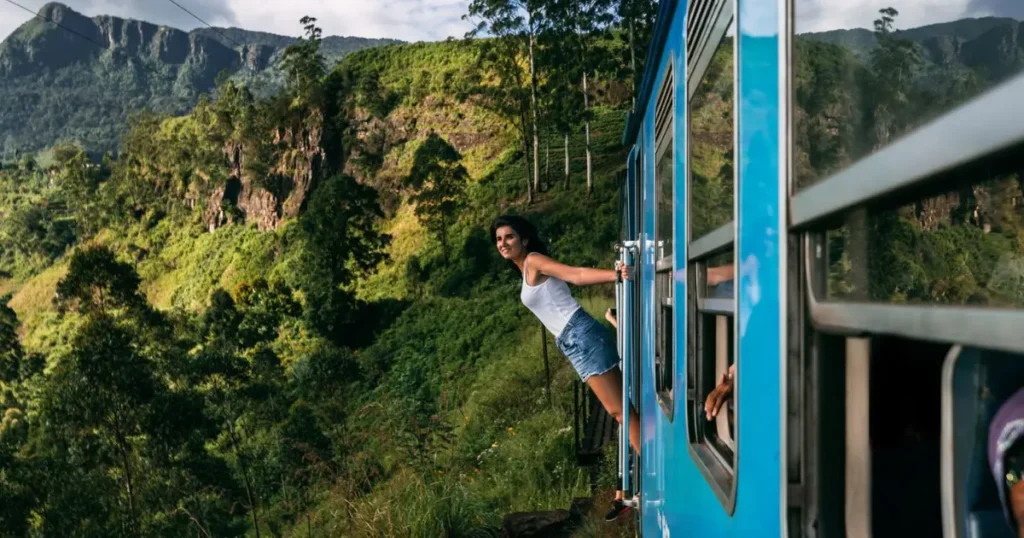
Some places in Sri Lanka can be dangerous if you don’t take the right precautions. However, the country as a whole is known for being safe and helpful. It’s not usually people who search for “Most Unsafe Places in Sri Lanka” who want to find places that are dangerous to their health, the environment, or their safety.
This post tells visitors about five places in Sri Lanka that might be unsafe at times, why they should be careful, and gives them useful safety advice so they can make smart decisions while they are there.
Keep this in mind: you can visit these places, but you need to be very careful, plan ahead, and make sure you have safe transportation.
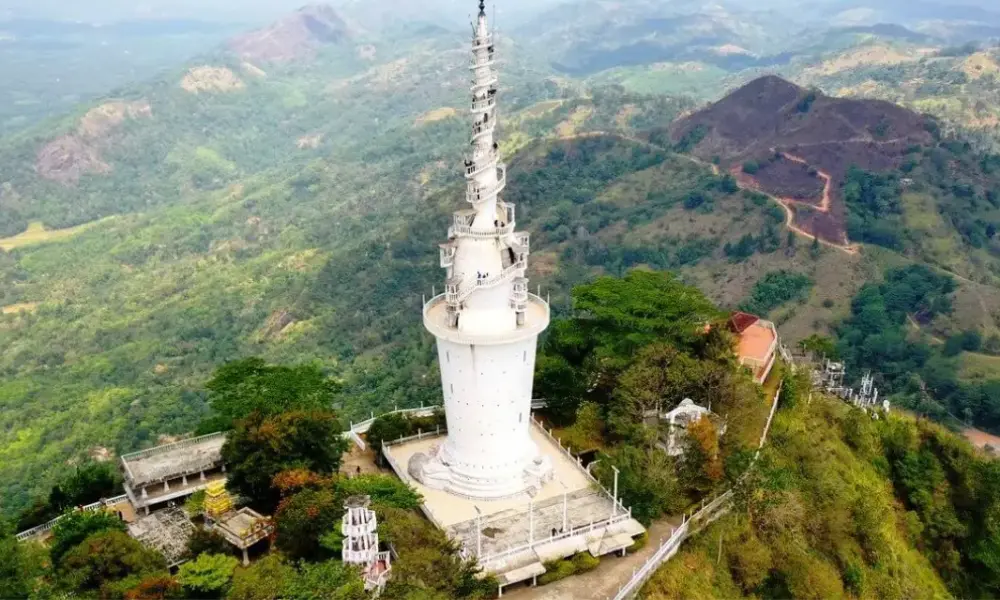
1. The Ambuluwawa Tower is one of the world's Most Unsafe Place in Sri Lanka
Many times, Ambuluwawa Tower is at the top of the list of Sri Lanka’s most risky spots.
This famous spiral tower is close to Gampola and has great views from all sides. However, it is very dangerous to climb, especially for people who are scared of heights or have trouble keeping their balance.
The dangers of Ambuluwawa Tower:
- The spiral ladder is very narrow.
- There aren’t any good safety rails in some places.
- Strong winds close to the top
- When it rains, the ground is very slippery.
- Not any professional checks for safety
People who go there to climb do so at their own risk because there aren’t many rules about health and safety. You could lose your life if you make one mistake.
For your own safety, don’t climb when it’s windy or rainies. You shouldn’t try to climb if you are old, have kids, or get dizzy.
2. Sri Pada's Adam's Peak during the off-season
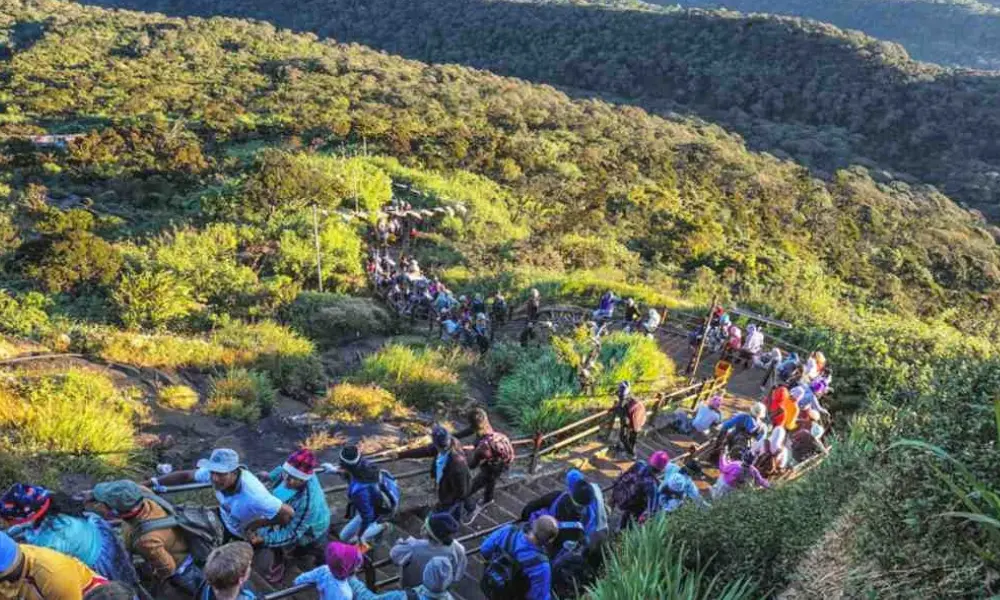
Adam’s Peak is loved and respected by many, but it can be one of the most dangerous places in Sri Lanka to climb when it’s not the travel season.
Why it might not be safe:
- Steps that are wet and slippery
- It rains more often in the months of June through August.
- Not many lights and places to rest that are closed
- It’s not easy to get to in case of damage.
- The main season is well-run, but climbing outside of that time is much more dangerous.
Tips for safety: Always check the weather, and only climb with the right shoes during the season.
3. safari zones in Yala National Park
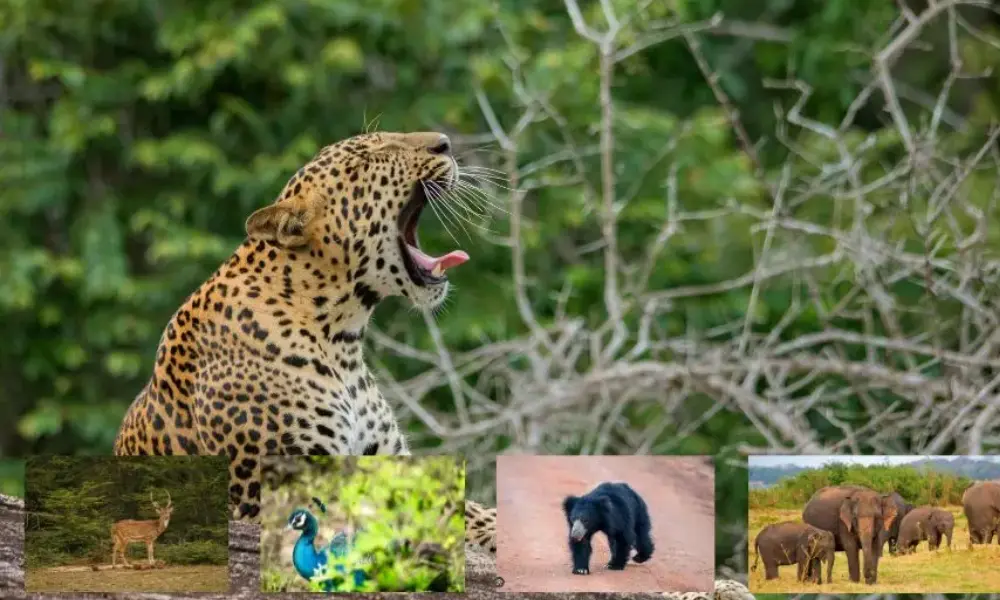
If you follow the right steps, Yala National Park is safe to visit. However, it could be fatal to go on tour routes that aren’t allowed or aren’t well watched.
Risks that could happen:
- Seeing elephants and cats in the wild
- There are too many people in safari cars.
- Careless driving by drivers who don’t have licenses
- Medical help is hard to get in the park.
These things can make some adventure trips dangerous if they are not planned well.
👉 Stay safe by only going with safari companies that have been checked out. Also, don’t drive off the beaten road or at night.
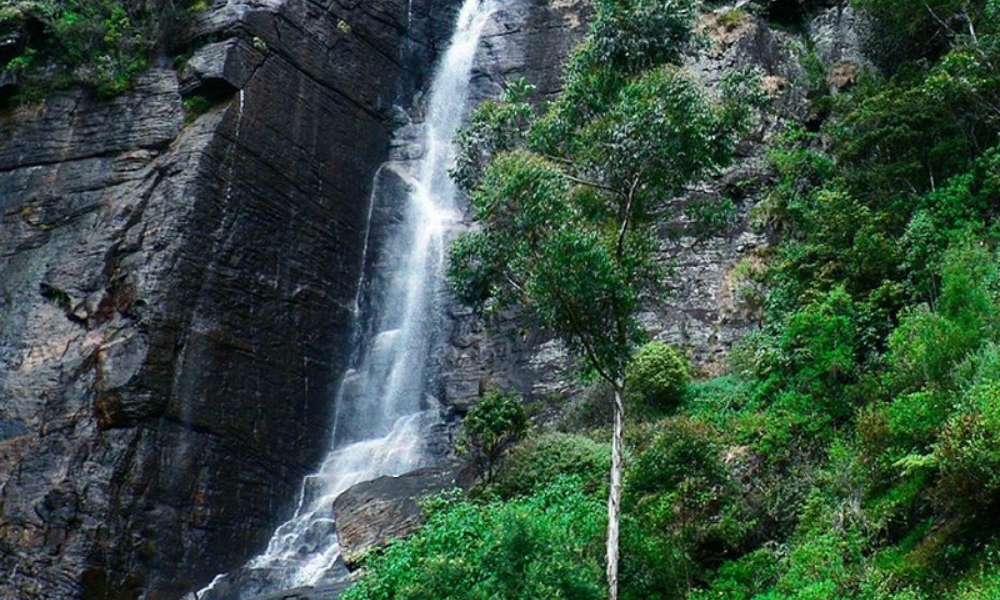
4. Waterfalls that are far away when it rains a lot
Sri Lanka has many beautiful waterfalls.During the rainy season, some of the less popular or harder to get to ones can be very dangerous.
Everyday Risks:
- Rapid flooding
- Slippery rocks
- A quick rise in the water level
- No cell service or help getting to you
When it rains, waterfalls that are both famous and dangerous can be found in out of the way places near Nuwara Eliya, Badulla, and Ratnapura.
For your own safety, never swim or walk near waterfalls after it has rained a lot. Also, always go with a local guide.5. Beaches that are far from people and have strong currents
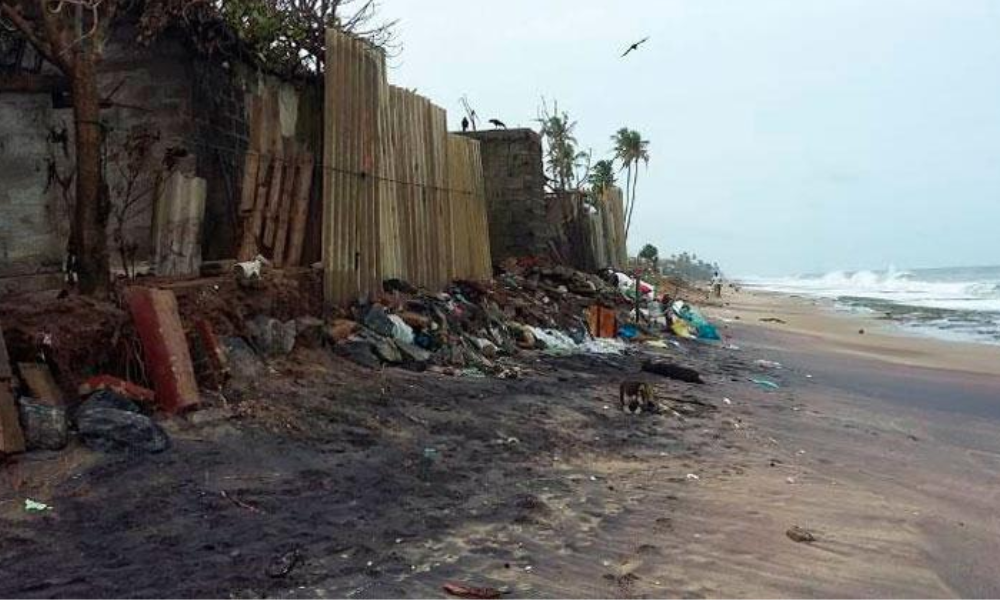
Sri Lanka has beautiful beaches, but some of them aren’t safe for swimming. This is especially true on the east and south sides at certain times of the year.
Why it's possible that these beaches are not safe:
Sri Lanka has beautiful beaches, but some of them aren’t safe for swimming. This is especially true on the east and south sides at certain times of the year.
Why it’s possible that these beaches are not safe:
- Strong currents that pull you down
- Not a lifeguard
- Water drops quickly
- Not enough ability to handle problems
- Many times, people who don’t know how the ocean works don’t understand how dangerous these things are.
Safety tip: Only swim in areas marked for swimming, and always ask someone from the area what the water is like.Is Sri Lanka a dangerous place to visit?
Many people visit Sri Lanka to find the most dangerous place, but the country is still mostly safe for tourists. These things cause most of the danger:
- Things to do for fun
- The state of nature
- Weather-related dangers
- Planned or helped too little
These risks can be greatly reduced by planning ahead, learning about the place, and making smart travel choices.
How to Make Sure Your Trip to Sri Lanka Is Safe
In order to stay away from danger:
- Drivers who know the area well should be used.
- Look at the date and weather.Stay away from places where you can’t get help.
- You should follow the safety rules at attractions.
- For tours and rides, only use approved companies.
Private Tour Drivers from Scenic Lanka Will Keep You Safe on Your Trip
ScenicLanka Private Tour Drivers can take guests all over Sri Lanka in a safe and reliable way if they are afraid about their safety. The people who drive for them have a lot of knowledge and know:
- The state of the road
- Weather-related dangers
- How to get there safely
- Planning trips that are good for tourists
Your trip will be easier and safer if you hire a skilled private tour driver. They will make sure you don’t go through any dangerous areas. This is especially true when you go to places that are hard to get to, like Ambuluwawa, roads in the hills, or sites that are far away
Last Thoughts
If someone looks for Sri Lanka’s most dangerous spot, it doesn’t mean the country is dangerous; it just means they want to know. Sri Lanka is beautiful, but tourists can enjoy it without worrying if they know where the dangers are and pick safe ways to get around.
Anyone from anywhere in the world can still go to Sri Lanka and have a great time, as long as they know the risks, plan ahead, and use safe transportation.