
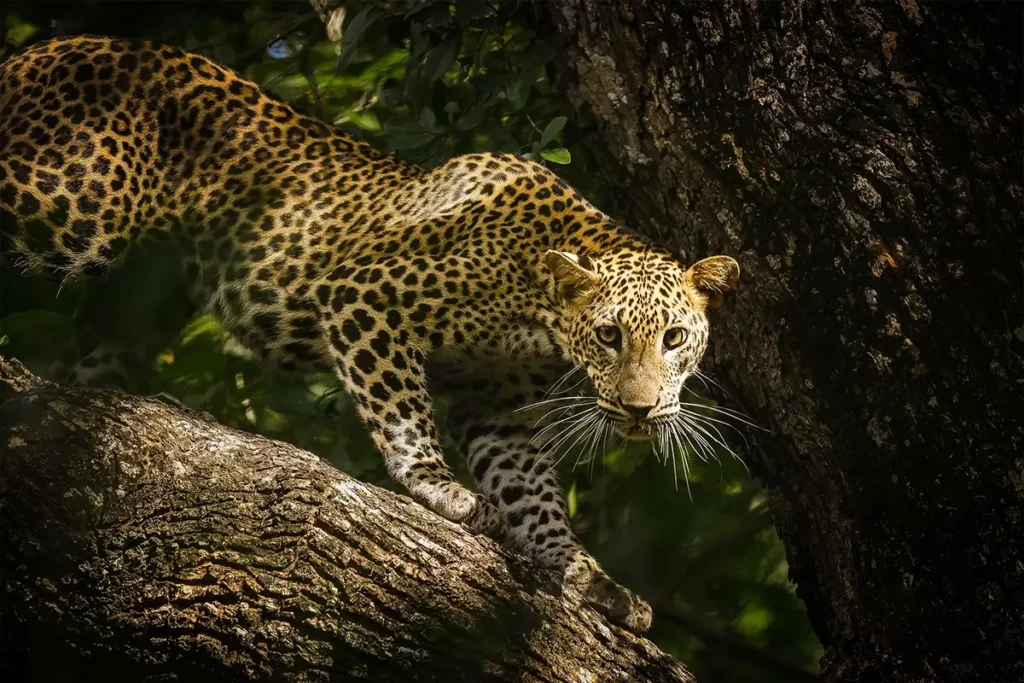
Sri Lanka is a beautiful island famous for its golden beaches, ancient cities, tea plantations, and rich cultural heritage. But beyond these attractions lies another incredible experience: Sri Lanka safari.
With diverse national parks and wildlife sanctuaries, Sri Lanka offers visitors the opportunity to see elephants, leopards, sloth bears, deer, crocodiles, buffaloes, and hundreds of species of birds in their natural habitats. Sri Lanka Tourism describes the island as a major wildlife destination, with a remarkable level of biodiversity and many protected areas
Why Choose a Sri Lanka Safari?
A safari in Sri Lanka is different from a traditional African safari. The island is relatively compact, meaning visitors can combine wildlife experiences with beaches, mountains, cultural sites, and historic cities during the same holiday.
Sri Lanka is home to a variety of wildlife, including the Sri Lankan elephant, leopard, sloth bear, sambar deer, and wild buffalo. The surrounding ocean also supports whales and dolphins, while the country’s forests and wetlands are home to a large variety of bird species.
For wildlife lovers, photographers, families, and adventure travellers, a Sri Lanka wildlife safari can be one of the highlights of a trip to the island.
Best National Parks for a Sri Lanka Safari
Sri Lanka has many national parks where visitors can experience wildlife. The Department of Wildlife Conservation lists Yala, Wilpattu, Horton Plains, and Udawalawe among the country’s most visited national parks.
1. Yala National Park
Yala National Park is one of the most famous destinations for a Sri Lanka safari.
The park is particularly well known for its leopard population. Visitors may also encounter Asian elephants, spotted deer, wild buffalo, crocodiles, and many species of birds.
Yala is officially highlighted by Sri Lanka Tourism as a major wildlife attraction, particularly for its elephants, leopards, and birdlife.
If seeing a leopard is high on your wildlife wish list, a Yala safari is an experience worth considering.
2. Udawalawe National Park
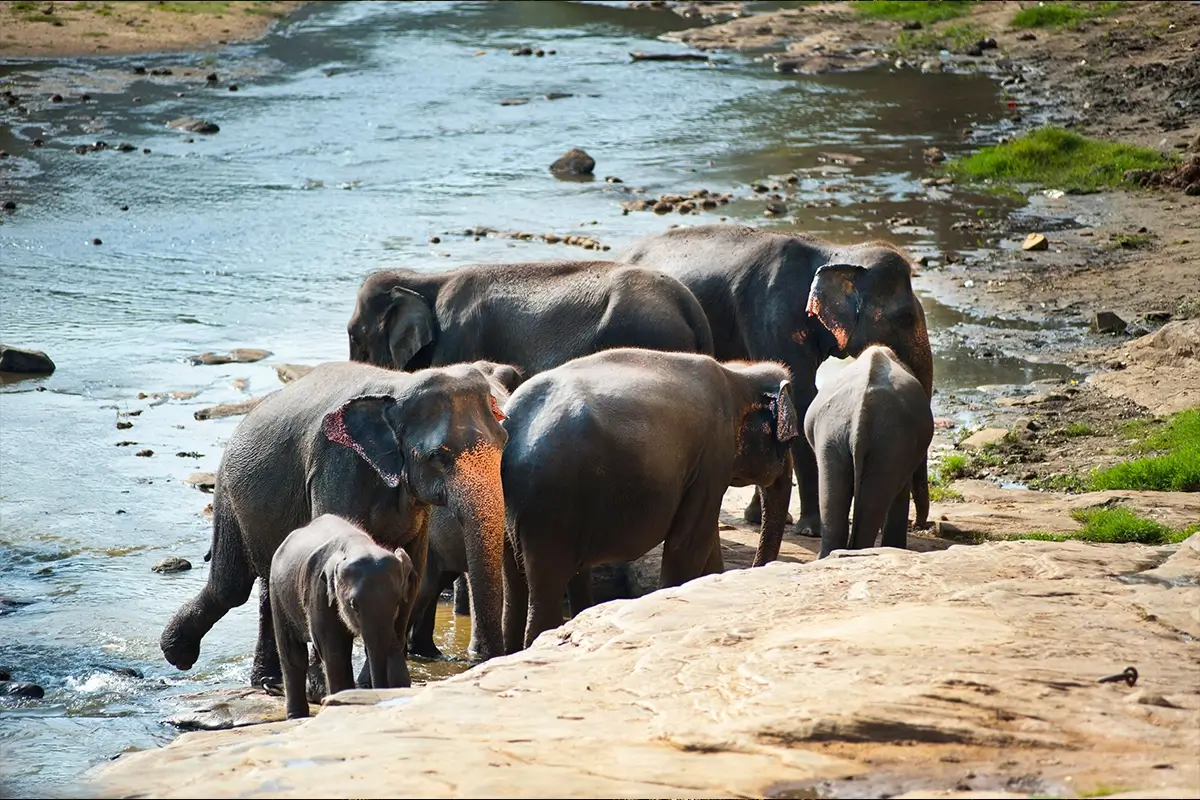
Udawalawe is another popular destination for a Sri Lanka wildlife safari, especially for visitors who want to see elephants.
The park’s open landscapes can provide excellent opportunities to observe wild elephants and other wildlife. Udawalawe is also frequently included in Sri Lankan wildlife itineraries.
For travellers interested specifically in an elephant safari in Sri Lanka, Udawalawe is one of the destinations to consider.
3. Wilpattu National Park
Wilpattu is one of Sri Lanka’s oldest and most distinctive national parks. It is known for its natural landscapes and numerous natural water bodies known as “villus.”
The park is also recognized for its leopard population. Sri Lanka Tourism reports that Wilpattu supports a range of mammals including elephants, sloth bears, leopards, water buffaloes, and sambar deer.
A Wilpattu safari can therefore be an excellent choice for travellers looking for a quieter wildlife experience away from some of the island’s more heavily visited destinations.
What Animals Can You See on a Sri Lanka Safari?
One of the biggest attractions of a Sri Lanka safari is the variety of wildlife that can potentially be seen during a single trip.
Depending on the national park and conditions, visitors may encounter:
- Sri Lankan elephants
- Sri Lankan leopards
- Sloth bears
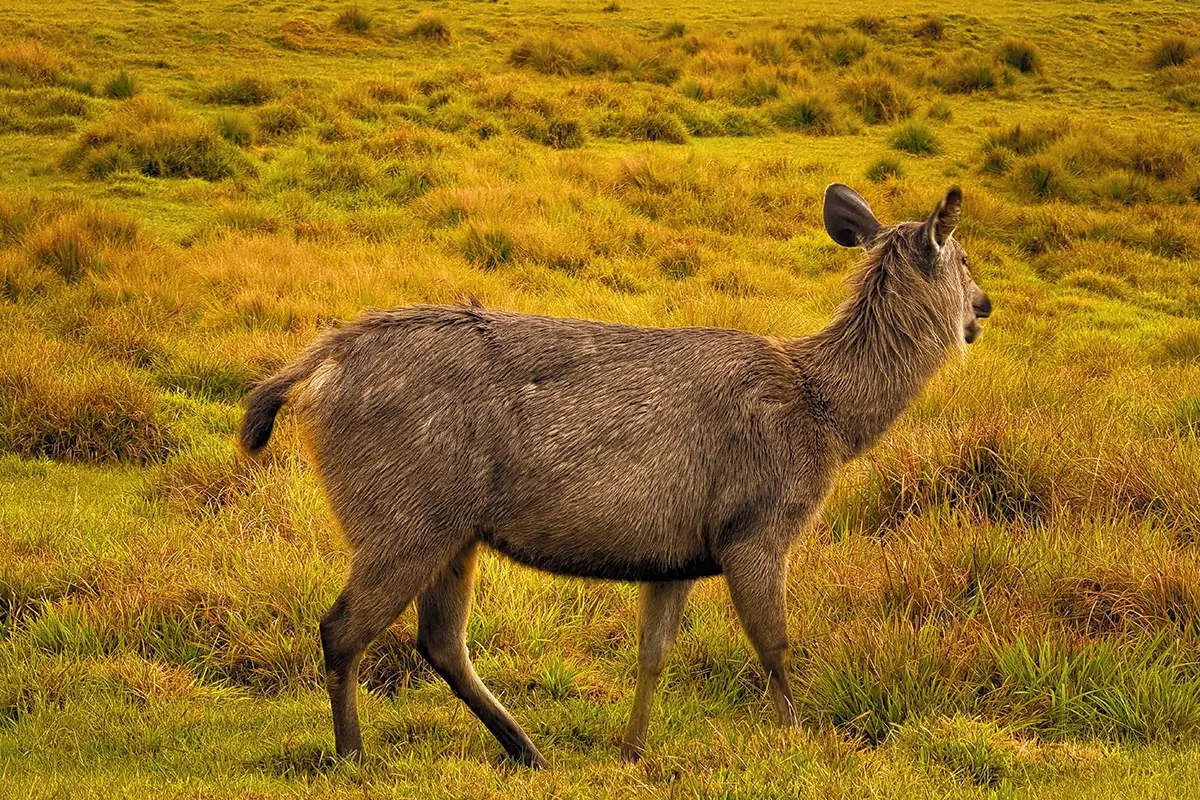
- Sambar deer
- Wild buffalo
- Crocodiles
- Peacocks
- Eagles and other birds
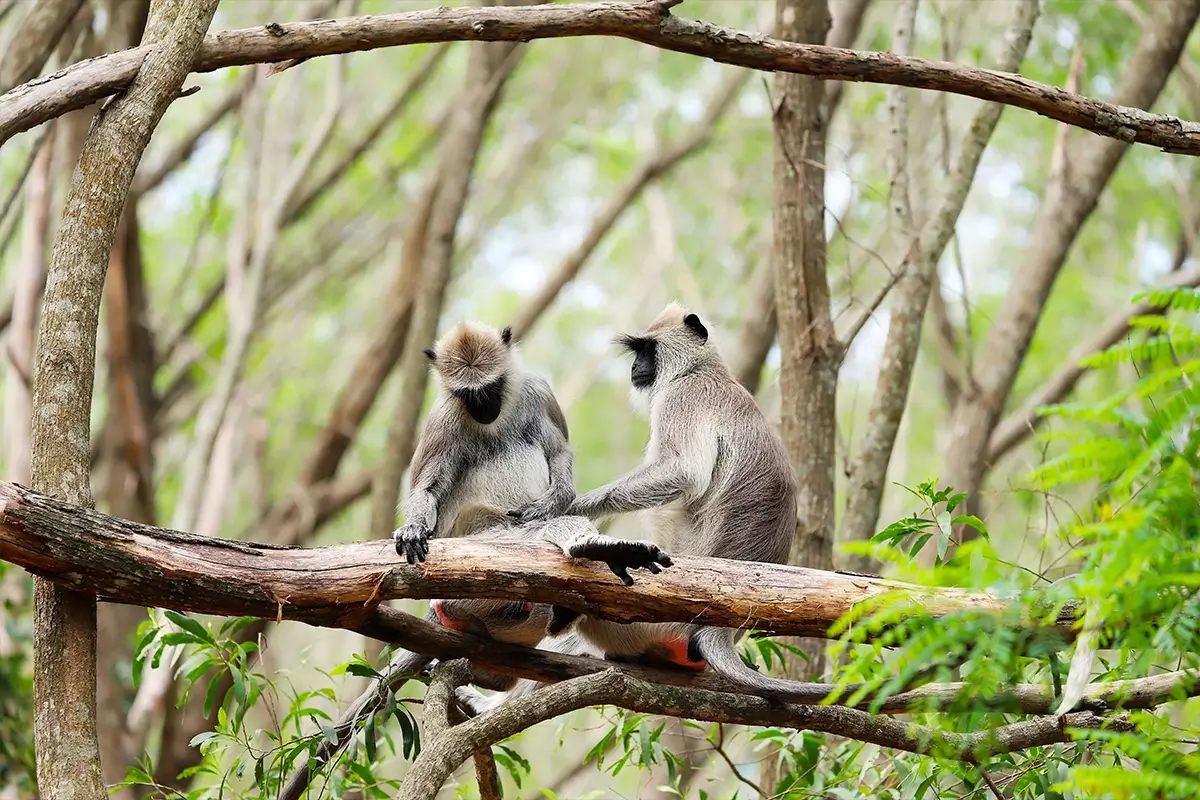
- Monkeys
- Wild boar
Sri Lanka’s biodiversity extends far beyond large mammals. The country also has hundreds of bird species, including many endemic species, making its national parks attractive to birdwatchers and nature photographers.
Best Time for a Safari in Sri Lanka
The best time for a safari can depend on the national park, weather conditions, and wildlife movements.
Sri Lanka has different climatic conditions across the island, so safari conditions are not identical throughout the year. It is therefore useful to check current park conditions and local advice before planning your visit.
Rather than expecting to see a particular animal on every safari, it is better to approach the experience as an opportunity to observe wildlife in its natural environment.